
Welcome to The Manager’s Playbook, my personal newsletter where I share insights from Music Executives and Artists for aspiring and emerging music managers, executives and artists on how to navigate the music industry. This newsletter is brought to you by Mauricio Ruiz.
THE MANAGER’S PLAYBOOK PODCAST
(FEAT. Mike Caren)

You’re Supposed to Make Bad Decisions First.
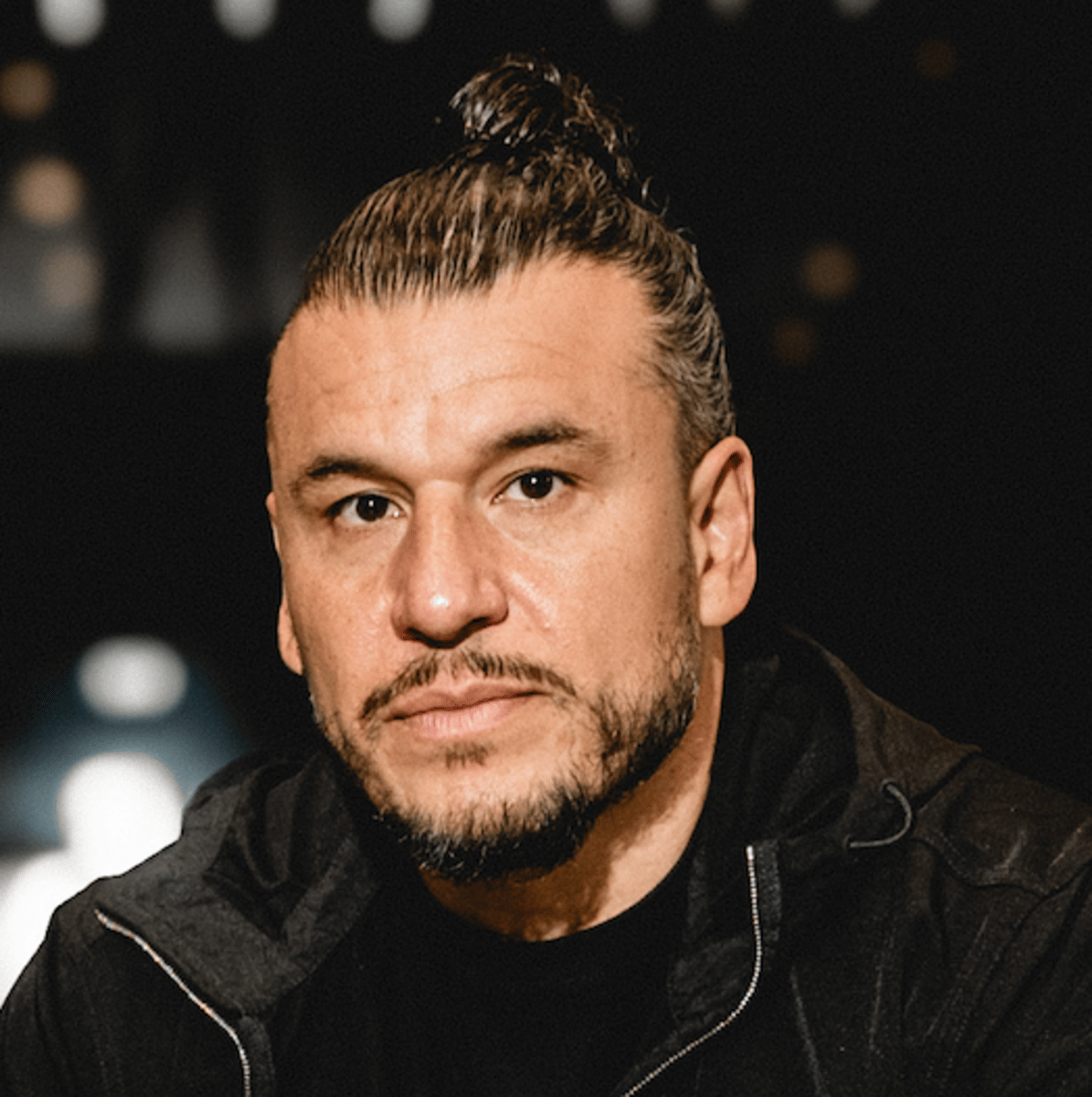
Mike Caren, founder of APG, said something on The Manager’s Playbook that really stuck with me.
Not because it was controversial. But because it was true.
If you’re a creative executive, your job is to have an opinion. And if you’re afraid to have one because you might be wrong… you’re already cooked.
That’s a hard truth in the music business. In life too.
A lot of people come into this game thinking the goal is to avoid bad decisions. To be polished early. To look smart in every room. To make the “right” move every single time. But that’s not really how this works. Not if you’re trying to build real taste.
Not if you’re trying to become a great A&R, manager, artist, executive, or entrepreneur. Not if you’re actually trying to get good.
You have to make some bad calls first.
Not reckless or lazy ones. But imperfect ones.
You have to pick the wrong record sometimes.
Bet on the wrong collaborator.
Misread the room.
Push too early.
Wait too long.
Trust the wrong instinct.
Say something the wrong way.
Take the wrong meeting.
Miss the thing that, in hindsight, feels obvious.
That’s not failure. That’s tuition.
And the people who eventually become dangerous in this business?
They don’t become dangerous because they were born with some supernatural “ear” or some magical leadership gene. But because they were willing to be wrong in public, then honest enough with themselves to study why.
That’s what Mike is really getting at.
He isn’t glorifying mistakes for the sake of mistakes. He’s talking about reps. Pattern recognition. Confidence built on evidence, not ego.
There’s a difference.
A lot of people want the confidence without the reps.
They want the title before the taste. They want to lead before they’ve actually learned how to think.
And that’s where people get themselves into trouble.

In the music business, bad decisions don’t always come from being dumb. Sometimes they come from trying to look smart too early.
That’s the part people don’t talk about enough.

Quick business check:
If you’ve got music out, you’re probably leaving publishing money on the table.
Publishing royalties can come from streams, performances, and online usage, but collecting worldwide is a maze of registrations and middlemen.
That’s why KOSIGN exists. Built by Kobalt, KOSIGN lets you submit once and they handle global registrations to help you collect every cent you’re owed, plus direct DSP licensing (Spotify/Apple) where possible. No long lock-in either: rolling quarterly term.
It’s selective, but the application is 100% free. Apply now.
KEY TAKEAWAYS
The Fear of Being Wrong Is Making People Useless
Mike said something else that I thought was incredibly important.
If you send someone a song and they come back with, “I don’t know if I love it,” that uncertainty is often just fear wearing a nicer outfit.
Because if your job is to develop artists, spot records, guide careers, and bring value to a creative process… then your opinion matters.
Actually, scratch that. Your opinion is the job.
And a lot of people are scared to put theirs on the line.
Why?
Because once you say, “I believe in this,” you can be judged. Once you say, “This is the one,” you can miss. Once you say, “I don’t think this is ready,” you can upset people.
But all of that is part of the work.
The artist has to release the song eventually.
So what are we really doing by delaying the opinion? Protecting ourselves? Or just postponing growth?
This is why Mike’s perspective matters so much. He understands that judgment is built, not bestowed.
Your “gut” is not magic.
It’s accumulated experience.
It’s every room you’ve been in. Every crowd you’ve watched react. Every song you’ve played too early. Every record you were wrong about. Every time you backed the wrong person. And every time you underestimated the right one.
Your eye gets sharper because life keeps testing it.
That’s why I always get a little nervous around people who’ve never been wrong but somehow have the strongest opinions in the room. Usually that just means they haven’t done enough yet. Or worse, they’ve learned how to talk around the truth instead of confronting it.
Mike isn’t that.
He’s a guy who’s lived enough of the process to know that wrong decisions, when handled properly, can still lead you to the right framework.
And in a business this subjective, that framework is everything.

Bad Decisions Are Data
This is where I think a lot of younger artists and executives miss it.
They treat every bad decision like a character flaw.
You signed the wrong deal? You’re washed.
You pushed the wrong single? You don’t have an ear.
You hired the wrong person? You can’t lead.
You missed on an artist? You’re not really A&R.
You trusted the wrong situation? You’re naive.
Relax.
Sometimes you were just early in your education.
Mike talked a lot on the podcast about learning through decision-making. About asking questions, hearing all and listening to yourself, tracking your predictions and checking your own accuracy over time.
That’s such a healthy lens.
Because when you remove the ego, a bad decision becomes information.
Why did I believe in that record?
Why did I miss this artist?
Why did I rush that release?
Why did I avoid that hard conversation?
Why did I think I was ready for that opportunity?
Why did I need that title so badly?
Why did I confuse motion with progress?
Those are the questions that actually move you forward.
And I think this is especially important in music, because there are so many people cosplaying certainty. Everybody’s an expert after the fact.
That’s not wisdom. That’s hindsight with good lighting.
The real work is in developing the nerve to make calls before the results arrive.
Mike clearly understands this.
That’s why he values people who can think. People who stay curious and do the homework. People who can explain why they believe what they believe. Even when they’re wrong.
Especially when they’re wrong.
Because that’s where the growth is.

You Start Out Bad So You Can Eventually Become Useful
Most people are not good when they begin.
They’re enthusiastic. Ambitious. Passionate. Maybe even talented.
But they’re not good yet.
Not consistently.
And that’s okay.
Mike touched on this from multiple angles in our conversation. He spoke about people taking opportunities they’re not ready for. He spoke about not pretending to know genres or spaces he wasn’t deeply immersed in. And also about consistency mattering more than flashes of brilliance.
That’s all the same conversation, really.
It’s the conversation around readiness.
And readiness is earned through repetition.
You do not become trustworthy in this business because you announced yourself to be.
You become trustworthy because people watch you make calls, adjust, improve, and keep showing up with more clarity than you had before.
That’s development.
Human development.
And if we’re being honest, most of us only started to get good once we got tired of lying to ourselves about where we actually were.
That was certainly true for me in parts of my own journey.
You get humbled. You miss.
You overestimate yourself. You underprepare.
You realize the room isn’t reacting how you imagined.
And then, if you’re smart, you don’t get bitter.
You get better.
That’s the distinction.

The Goal Is Not Perfection. It’s Better Decisions.
I think what Mike understands at a high level is that success in this business is rarely about avoiding every mistake.
It’s about making better mistakes.
Then learning from them fast enough that they stop repeating themselves.
That’s how careers are built.
By developing the ability to say:
I was wrong about that. Here’s what I missed. Here’s what I learned. Here’s how I’m sharper now.
That is such a powerful posture.
It keeps you open and curious. It keeps you from becoming rigid. And in a business that changes every year, rigidity is death.
Mike has worked with some of the biggest artists in modern music and helped develop executives who went on to become major leaders in the business. You don’t do that by being lucky. You do that by refining your judgment over decades.
And judgment is forged, not found.
That’s why I actually think bad decisions, when approached correctly, can produce great outcomes.
Because the awareness it creates can change the way you move forever.
Sometimes the wrong move teaches you more than the right one ever could.
And in the music business, where timing is weird, taste is subjective, and everybody’s acting more certain than they really are, that lesson is priceless.
So no, the goal is not to be bad.
The goal is to be willing to be bad long enough to become good. Then good long enough to become dangerous. Then disciplined enough to stay useful.
That’s the game.
And Mike Caren, whether he was talking about artists, executives, records, promotions, or leadership, kept circling back to that idea in different ways:
Have an opinion.
Ask questions.
Track your instincts.
Embrace being wrong.
Don’t rush readiness.
Build consistency.
Learn from every miss.
And above all, keep going.
The people who last in this business are usually not the ones who never made bad decisions.
They’re the ones who made enough of them to finally understand what a good one feels like.
THE MANAGER’S PLAYBOOK:
THE 50th EDITION MAGAZINE

To celebrate 50,000+ subscribers on YouTube and 50+ podcast episodes, we turned the first chapter of The Manager’s Playbook into a digital magazine issue.
But before anything, thank you. If you’ve watched, listened, shared, or even sent one message saying “this helped,” you’re the reason we’re here. You didn’t just support content. You helped build the community around it.
Inside the issue is a curated rundown of every episode, the biggest takeaways, and the lines worth revisiting when you’re building in real time. Think of it as a reference guide you can save, share, and come back to whenever you need clarity.
Read the 50th Edition Magazine below.
1:1 CONSULTATIONS WITH RUIZ

Mauricio Ruiz
I’m offering private 1-on-1 sessions for artists, managers, and execs who want real, practical advice on how to move their careers forward.
With 16 years in the music business and experience working with some of the biggest artists and executives in the world, I can share insights, strategy and ways to execute the pain points in your career as it currently stands.
Book your private consultation below.
WRAPPING UP..
If you found today's read enjoyable, please consider sharing it with a friend. Crafting these newsletters consumes hours each week, so your support in sharing with peers means a lot.
And if you have any thoughts to share, feel free to hit reply. I'd love to hear your feedback.
Bio
I’m Mauricio Ruiz, the host and creator of The Manager’s Playbook podcast, dedicated to demystifying the world of music management, and Founder/CEO of 8 Til Faint, an Artist Management company with over 5 billion audio streams worldwide. Our past and current clients include Grammy nominated, Juno Award winning multi-instrumentalist and singer/songwriter Jessie Reyez, Skratch Bastid and more.
I am also the Co-Founder of Mad Ruk Entertainment, a content agency with over 3 billion long form video streams worldwide. Our client list includes The Weeknd, Eminem, and Celine Dion, along with renowned brands like Nike, Pernod Ricard and the NBA.
Follow me on IG @mauroisruiz
Follow me on LinkedIn
Follow the pod on Youtube
