
Welcome to The Manager’s Playbook, my personal newsletter where I share insights from Music Executives and Artists for aspiring and emerging music managers, executives and artists on how to navigate the music industry. This newsletter is brought to you by Mauricio Ruiz.
THE MANAGER’S PLAYBOOK PODCAST
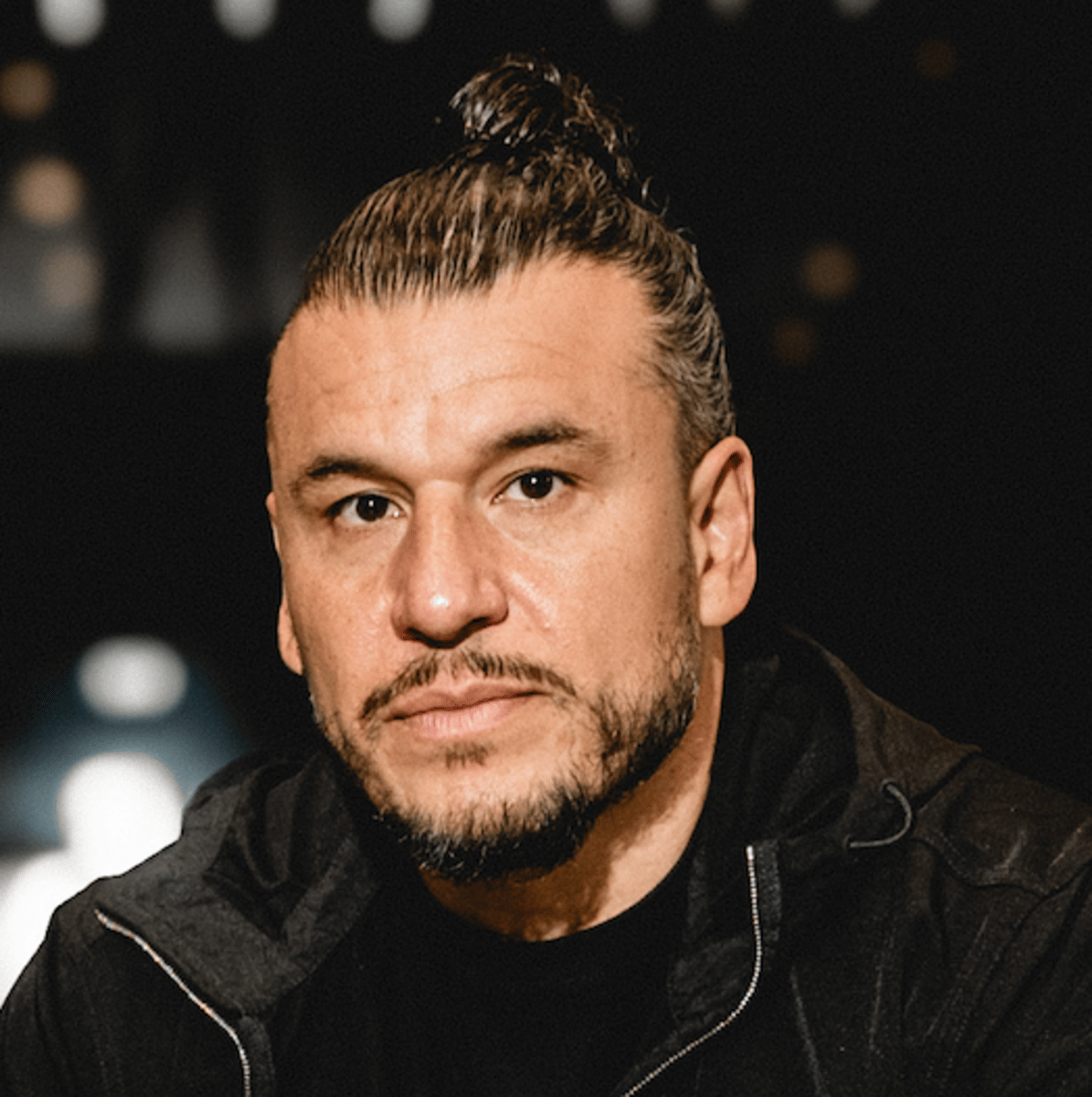
(FEAT. Veikko Fuhrmann)

Touring looks fun until the bills start coming in.
Everybody wants to get on the road. Artists want to feel the rooms getting bigger. Managers want to see the demand turn into something real. The footage looks great. The crowd shots look great. The recap always makes it look like everything is working.
Then the other side of it shows up.
Buses. Trucks. Hotels. Rehearsals. Insurance. Payroll. Stagehands. Catering. Merch. Taxes. Production. Venue costs nobody thought about. A credit card getting hit every day like it owes somebody money.
That’s when touring stops feeling like a dream and starts feeling like what it actually is.
A moving business.
And if you don’t understand that business, you can sell tickets and still lose money.
That’s why my conversation with Veikko Fuhrmann stayed with me.
Veikko has been in the live business for years. Clubs, arenas, stadiums, global tours. He’s seen the version people post about, but more importantly, he’s seen the version behind all of that.
The expenses.
The timing.
The small decisions that quietly become big costs.
The stuff nobody thinks about until the invoice lands.
One thing he kept coming back to was simple:
It’s the artist’s money.

The towels. The water. The hotels. The extra crew. The overtime. The production idea that looked amazing in the meeting but costs a fortune to move every night.
All of that money comes from somewhere.
Most of the time, it comes from the artist.

Quick business check:
If you’ve got music out, you’re probably leaving publishing money on the table.
Publishing royalties can come from streams, performances, and online usage, but collecting worldwide is a maze of registrations and middlemen.
That’s why KOSIGN exists. Built by Kobalt, KOSIGN lets you submit once and they handle global registrations to help you collect every cent you’re owed, plus direct DSP licensing (Spotify/Apple) where possible. No long lock-in either: rolling quarterly term.
It’s selective, but the application is 100% free. Apply now.
KEY TAKEAWAYS
What We’re Watching
This week’s episode of The Manager’s Playbook with Veikko Fuhrmann is one I wish more managers could hear before their first real tour.
Because touring can trick you.
A sold-out room makes it feel like the business is healthy. A big guarantee makes it feel like the artist is winning. A crowd screaming every word can make everybody forget to ask the question that actually matters:
What did we make?
Sometimes the answer is great.
Sometimes it’s not.
Veikko talks about touring like someone who has lived through both. The great nights, yes. But also the cash flow issues. The bad assumptions. The “who approved this?” moments. The expenses that slipped through because nobody wanted to kill the vibe.
That’s where artists and managers can get caught.
A tour can look successful from the outside and still be messy behind the scenes.
And to be clear, I don’t think every tour has to make money right away. Sometimes the tour is the investment. Sometimes you go out because the rooms need to grow, the audience needs to deepen, or the artist needs to prove they belong on a bigger stage.
That’s real.
But be honest about it.
Losing money on purpose is strategy.
Losing money because nobody was watching the numbers is bad business.

Veikko working on tour
A Tour Is a Company
One of the first mistakes people make is treating a tour like it’s just a run of dates.
It’s not.
A tour has revenue. Expenses. Staff. Vendors. Deposits. Taxes. Travel. Insurance. Inventory. Credit cards. People waiting to get paid. Problems that don’t disappear just because the bus made it to the next city.
And the spending starts before the artist earns anything.
That part is important.
The artist usually gets paid after the show. But rehearsals need to be paid before the show. So do musicians, crew, buses, trucks, hotels, production, insurance, and all the other pieces that make the night possible.
So before anyone gets too excited about the routing or the creative, someone has to ask the question people love avoiding:
How are we paying for this?
Not in theory.
For real.

The Money Is Not Automatic
Selling tickets is not the same thing as making money.
That was one of the biggest takeaways from Veikko.
The guarantee might look good. The gross might look good. The ticket count might look great in the group chat.
Cool.
What’s left?
That’s the real conversation.
Depending on the deal, once the show gets into overages, expenses can start eating into the artist’s upside. So the thing everyone thought the promoter was “covering” might still affect what the artist takes home.
That’s when the small stuff starts looking different.
Catering isn’t just catering.
Stagehands aren’t just stagehands.
Curfew isn’t just curfew.
That extra truck is absolutely not just an extra truck.
None of this means you need to be cheap. Cheap can get expensive too.
It means you need to know what things cost, why they cost that much, and whose money is actually being spent.
That’s the difference.

Veikko on tour
Budget the Dream Early
Creative ambition matters.
Nobody wants to tell an artist to make the show smaller just because the spreadsheet got nervous. A great show can change everything. It can make the audience believe. It can make the artist believe too.
But the dream needs a number attached to it.
A production idea can look incredible in a deck. The artist loves it. The manager sees the vision. The creative director might be right about the impact.
Still, somebody has to ask the boring-but-necessary questions.
Can it move?
Can it load in on time?
Does it need another truck?
Does it require more crew?
What happens if the venue is smaller than expected?
What happens if load-in goes long?
Does this idea work for the whole tour, or only for the perfect version of the tour we imagined in a meeting?
Those questions are not there to kill the dream. They’re there to protect it.
A lot of money gets lost before the tour starts. It gets lost in planning. In assumptions. In people falling in love with the expensive version before anyone prices it properly.
Once the show is built, it may be too late to save real money.
So have the uncomfortable conversation early.
It’s cheaper there.

Romeo Santos tour produced by We Are Live (Veikko’s company)
Cash Flow Is the Part People Ignore Until It Hurts
Cash flow doesn’t sound exciting.
Doesn’t matter.
It can break the whole thing.
A tour can be profitable on paper and still be in trouble if the money isn’t available when people need to get paid.
The promoter payment might be coming. The settlement might be fine. The tour might end in a good place.
But payroll is due now.
The bus company wants payment now.
The hotel card is getting charged now.
Crew needs per diems now.
That’s where managers need to be sharp. It’s not enough to know the tour should make money eventually. You need to know whether the tour can survive the week.
Because once people don’t get paid, the energy changes fast.
Crew gets frustrated. Vendors get tighter. The artist starts feeling pressure they shouldn’t have to carry. And eventually, the show feels it.
Cash flow is not just accounting.
It keeps the environment from falling apart.

The Arena Setup
Settlement Sheets Don’t Care About Feelings
Nobody gets excited about settlement sheets.
Still, they tell the truth.
Not what the room felt like. Not what the offer looked like. Not what the artist posted. Not what everyone hoped the night would be.
What actually happened.
The income. The expenses. The deductions. The split. The final number.
Managers don’t need to become accountants, but they do need to understand enough to ask better questions. Even with a business manager. Even with an agent. Even with a tour director.
Especially then.
Because if the tour is losing money, you need to know early.
Veikko made a great point about this. Sometimes you can turn a tour around while it’s happening. You tighten things up. Cut waste. Make better decisions. Get everybody aligned.
But only if the numbers are honest.
If people hide the problem, the problem gets more expensive.
Always.

Ricky Martin’s tour at Madison Square Garden
A Few Things Managers Should Keep in Mind
Don’t build a tour off vibes
Excitement is not a budget.
Before you say yes to the routing, production concept, support act, or extra spend, understand what it actually costs.
Small rooms are school
Club shows are not beneath anyone.
They teach you how touring works before the mistakes get too expensive. Margins. Merch. Promoters. Settlement. Staffing. Demand. How to read a market. How to know when a city is ready and when it’s not.
That education matters.
Don’t celebrate the gross too early
A big gross is nice.
But what does the artist keep?
That’s the question.
Paperwork can mess up your money
Tax withholding, certificates, non-resident rules, and all that boring admin can affect cash flow.
Ignore it and the money might get held up at the worst possible time.
Hire people who know what they’re looking at
Trying to save money by avoiding experienced people can cost more later.
A good tour director, production manager, tour manager, or tour accountant can spot the problem before it gets expensive.
That’s not just overhead.
That’s protection.

Final Thought
Touring can change an artist’s career.
It builds real fans. It sells merch. It creates moments no algorithm can touch. It shows the audience who the artist really is.
But touring also exposes the business.
Weak planning shows up. Bad deals show up. Cash flow problems show up. And if nobody knows where the money is going, that shows up too.
That’s why this conversation with Veikko matters.
He’s not trying to scare artists away from touring. He’s trying to make sure they know what they’re walking into.
Because the show might be beautiful.
The crowd might be loud.
The recap might look crazy.
But at the end of the night, somebody has to pay for all of it.
Most of the time, that somebody is the artist.
So pay attention.
It’s your tour.
It’s your risk.
It’s your money.
WRAPPING UP..
If you found today's read enjoyable, please consider sharing it with a friend. Crafting these newsletters consumes hours each week, so your support in sharing with peers means a lot.
And if you have any thoughts to share, feel free to hit reply. I'd love to hear your feedback.
Bio
I’m Mauricio Ruiz, the host and creator of The Manager’s Playbook podcast, dedicated to demystifying the world of music management, and Founder/CEO of 8 Til Faint, an Artist Management company with over 5 billion audio streams worldwide. Our past and current clients include Grammy nominated, Juno Award winning multi-instrumentalist and singer/songwriter Jessie Reyez, Skratch Bastid and more.
I am also the Co-Founder of Mad Ruk Entertainment, a content agency with over 3 billion long form video streams worldwide. Our client list includes The Weeknd, Eminem, and Celine Dion, along with renowned brands like Nike, Pernod Ricard and the NBA.
Follow me on IG @mauroisruiz
Follow me on LinkedIn
Follow the pod on Youtube
