
Welcome to The Manager’s Playbook, my personal newsletter where I share insights from Music Executives and Artists for aspiring and emerging music managers, executives and artists on how to navigate the music industry. This newsletter is brought to you by Mauricio Ruiz.
THE MANAGER’S PLAYBOOK PODCAST
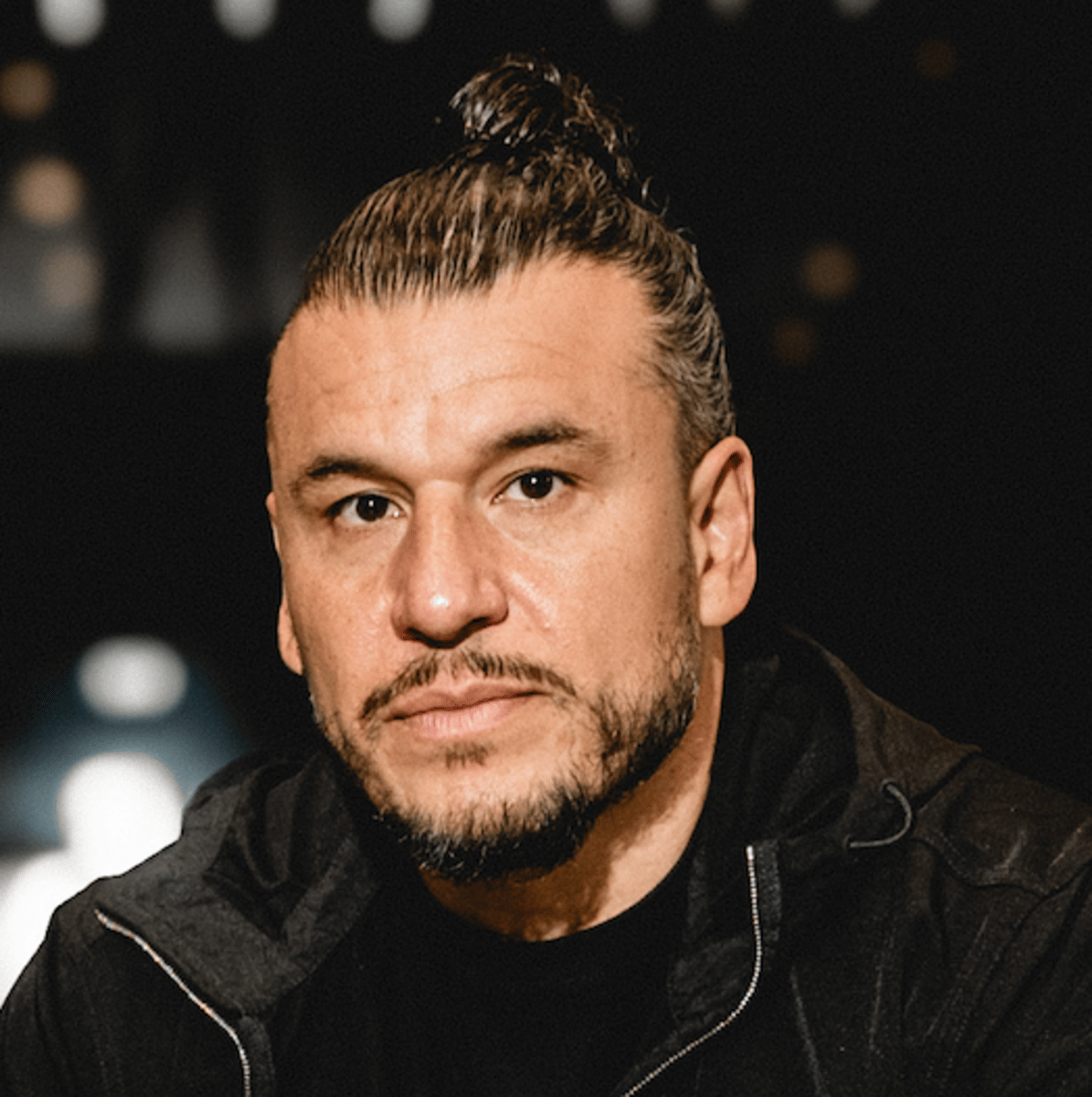
(FEAT. Omar Grant)

Working With Legacy Superstars
Working with a legacy superstar sounds like the dream until you realize what the job actually is.
You’re not just trying to make a good song. You’re walking into a room with everything that artist has already done sitting right there with them.
The album people loved. The record that changed the room. The era fans still won’t let go of.
Before anyone presses play, all of that is already part of the conversation.
That’s a lot to carry.
Omar Grant knows that pressure well. As Rihanna’s longtime A&R, former co-president of Roc Nation, and founder of Chapter A.R.T. Music Publishing, he’s been around artists who don’t just release music. They shift the temperature.
And when you’re working with someone like that, the job isn’t to make them sound “current.”
That’s usually where people get it wrong.
The job is to help them figure out what feels true right now.
Not what worked five years ago. Not what’s working for somebody else. Not what everyone is copying because the data says it’s moving.
What feels true right now.
That’s where it gets hard.
Because with legacy artists, everybody wants something. Fans want the old feeling back. Labels want the next big moment. Writers want the placement. Producers want the cut. Managers want the rollout to make sense.
Meanwhile, the artist is trying to protect the thing that made people care in the first place.
That standard is high for a reason.

Omar said something in our conversation that stuck with me. When Rihanna comes with a record, it changes how people make music. People hear it and go, “Oh, we’re doing this now.”
That’s not chasing.
That’s leading.

Quick business check:
If you’ve got music out, you’re probably leaving publishing money on the table.
Publishing royalties can come from streams, performances, and online usage, but collecting worldwide is a maze of registrations and middlemen.
That’s why KOSIGN exists. Built by Kobalt, KOSIGN lets you submit once and they handle global registrations to help you collect every cent you’re owed, plus direct DSP licensing (Spotify/Apple) where possible. No long lock-in either: rolling quarterly term.
It’s selective, but the application is 100% free. Apply now.
KEY TAKEAWAYS
The Past Is Proof, Not A Template
One of the easiest mistakes to make with a legacy artist is trying to recreate the thing that already worked.
You hear the old records and think, “Let’s get back to that.”
I get why people do it. That sound built the fanbase. That era made money. That version of the artist is the reason a lot of people are still paying attention.
But the past is not always the plan.
The past tells you the artist has taste. It tells you they have instincts. It tells you they know how to connect when the work is honest and the timing is right.
It does not mean the next chapter should sound like a tribute act.
Omar talked about this with Rihanna. Sometimes a song can be a hit and still not be the right song for her.
That’s the part a lot of people miss.
A hit is not enough. It has to be the right hit.
That’s where real A&R comes in. It’s not just finding the biggest song in the folder. It’s knowing what belongs to the artist, what moves them forward, and what quietly feels beneath the standard.
That takes taste. It takes patience. It also takes the courage to pass on something that might technically work.
A lot of people don’t have that courage.

Omar & Rihanna
The Bar Keeps Getting Lowered
The industry is very good at asking people to lower the bar.
Move faster. Post more. Drop more. Chase the sound. Shorten the intro. Cut the bridge. Do what’s already working so at least if it fails, everyone can point to something familiar.
I’m not against the new tools. Data matters. Content matters. TikTok matters. AI is here whether people like it or not. Moving fast is useful when there’s actually something worth moving fast for.
But speed can’t be the whole strategy.
At some point, the song has to hold up.
Omar talked a lot about “copyrights.” Not songs that spike for a week and disappear, but songs that keep living. Songs that get played years later. Songs that come back around because they actually meant something to people.
That’s different from chasing a viral moment.
A viral song can win the week. A real copyright can feed people for life.
Legacy artists understand that better than anyone. They’ve seen trends disappear. They’ve seen songs age badly. They’ve also seen the records that keep coming back like they never left.
So if you’re walking into a room with an artist who already has classics, “this is what’s hot right now” is not enough.
Bring something that might last.
At least have the respect to try.

Don’t Turn Legacy Into A Museum
The other mistake is being too careful.
People get around greatness and freeze. They become polite. Too respectful. Scared to have a real opinion.
That doesn’t help the artist.
Respect matters. Fear doesn’t.
A legacy artist still needs to be challenged. They still need honest feedback. They still need someone in the room who can say, “This part isn’t there yet,” or “The idea is strong, but the song isn’t finished.”
The difference is whether you’ve earned the right to say it.
Omar talked about this in a practical way. It’s not enough to say something is good or bad. You have to explain why. What’s missing? What could be stronger? Why does the change matter?
Anybody can have an opinion. Not everybody can be useful.
And at that level, usefulness is everything.

Omar during his time as co-president of Roc Nation
Pay Attention To The New Generation
Working with legacy artists does not mean ignoring the new generation. Honestly, that’s one of the fastest ways to lose touch.
The younger A&Rs, creatives, managers, and marketers are often closer to what’s actually happening. They know the language. They know the platforms. They know what people are reacting to before it becomes a chart or a report.
Omar was fair about this. He wasn’t sitting there trashing young A&Rs. He said a lot of them are talented, culturally connected, and strong at research.
His issue was the system around them.
Young A&Rs are not the problem. A system that rushes them before developing them is the problem.
There’s a difference between knowing what’s moving and knowing how to build something that lasts.
The new generation brings speed, awareness, and cultural proximity. The older generation brings patience, structure, development, and context.
You need both.
Too much old-school thinking and you lose touch. Too much trend-chasing and you lose depth.
The best teams don’t pick one side. They listen to both.

Some Things Still Work
Great songs still matter.
So does identity. Emotion. Taste. Storytelling. Patience. People who care enough to tell the truth.
The tools can change. The platforms can change. The marketing language can change every six months if it wants to.
The song still has to do something to people.
That part hasn’t changed.
Omar talked about songs needing imagery, melody, storytelling, choruses, bridges, and real structure. It sounds basic, but a lot of music skips the basics now and then everyone acts confused when the song doesn’t stick.
You can market a weak song.
You can’t make people live with it.
That’s where legacy artists have both the advantage and the burden. People expect more from them because they’ve already given more.
Fair or unfair, that’s the deal.
So the question can’t just be, “Will people click this?”
The better question is, “Does this belong in the catalog?”
That’s a heavier question.
It should be.

STRATEGY
5 Questions To Ask When Working With A Legacy Artist
1. What can’t change?
Every artist has a core. The voice, the taste, the attitude, the emotional truth. Know what that is before you start updating anything.
2. What actually needs to evolve?
If nothing changes, it feels dated. If everything changes, it feels disconnected. Find the line before the market finds it for you.
3. Are we leading or copying?
If the plan only exists because it worked for another artist, you’re probably late already.
4. Does this add to the catalog?
Not every record has to be the biggest record of their career. But it should make sense in the story.
5. Does the artist trust the room?
A great idea won’t land if the artist doesn’t trust where it’s coming from.

Final Note
Legacy artists don’t need people trying to recreate the past.
They need people who understand why the past worked, but aren’t afraid to help build what comes next.
WRAPPING UP..
If you found today's read enjoyable, please consider sharing it with a friend. Crafting these newsletters consumes hours each week, so your support in sharing with peers means a lot.
And if you have any thoughts to share, feel free to hit reply. I'd love to hear your feedback.
Bio
I’m Mauricio Ruiz, the host and creator of The Manager’s Playbook podcast, dedicated to demystifying the world of music management, and Founder/CEO of 8 Til Faint, an Artist Management company with over 5 billion audio streams worldwide. Our past and current clients include Grammy nominated, Juno Award winning multi-instrumentalist and singer/songwriter Jessie Reyez, Skratch Bastid and more.
I am also the Co-Founder of Mad Ruk Entertainment, a content agency with over 3 billion long form video streams worldwide. Our client list includes The Weeknd, Eminem, and Celine Dion, along with renowned brands like Nike, Pernod Ricard and the NBA.
Follow me on IG @mauroisruiz
Follow me on LinkedIn
Follow the pod on Youtube
