
Welcome to The Manager’s Playbook, my personal newsletter where I share insights from Music Executives and Artists for aspiring and emerging music managers, executives and artists on how to navigate the music industry. This newsletter is brought to you by Mauricio Ruiz.
THE MANAGER’S PLAYBOOK PODCAST
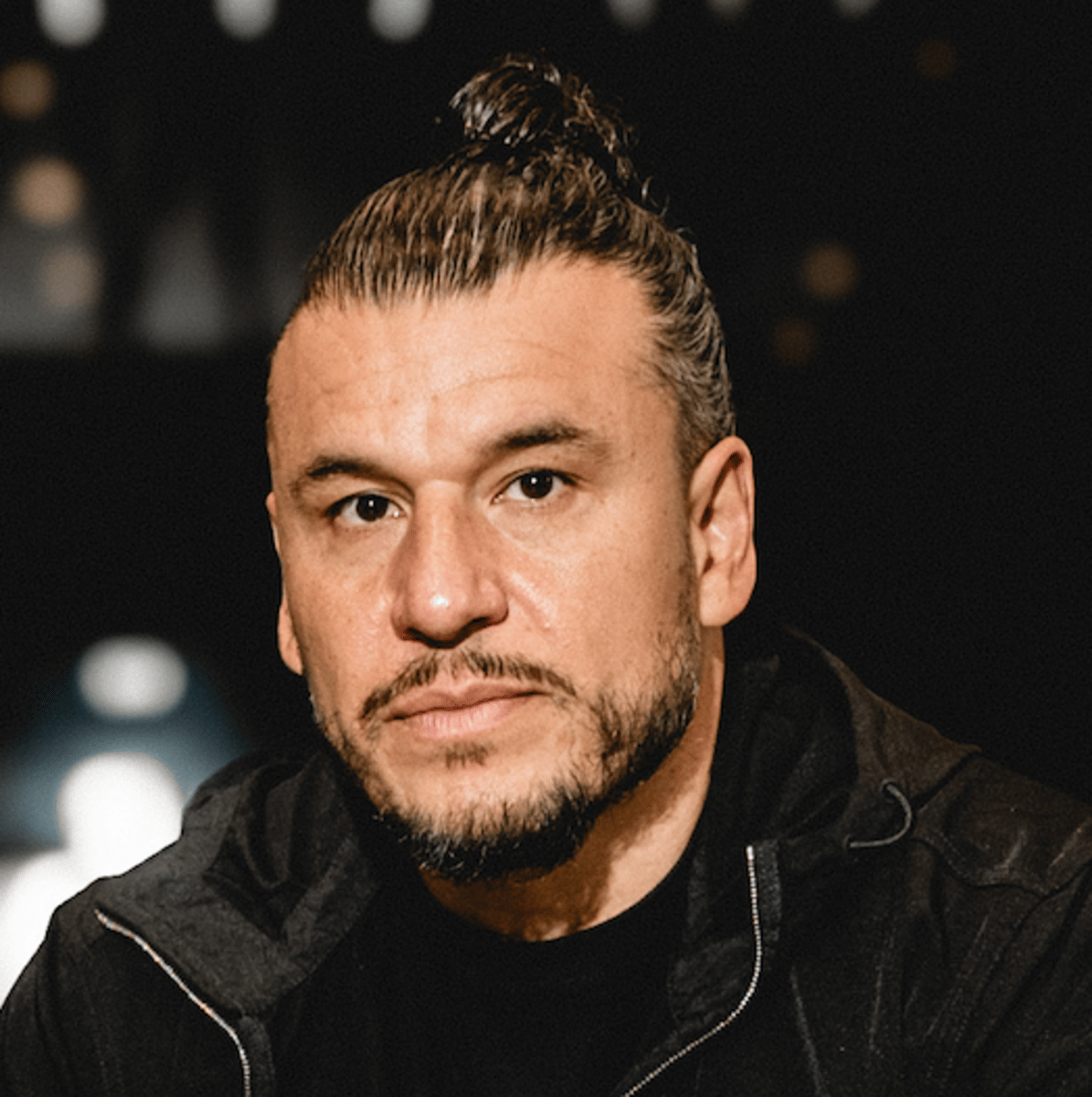
(FEAT. Lecrae)

Who Are You Actually Building For?
Lecrae is an anomaly, but not because he was trying to be one.
I think he was just telling the truth about who he was, and the business didn’t have a clean place to put it.
Too Christian for hip-hop. Too hip-hop for gospel. Too Black for some Christian spaces. Too faith-based for some rap spaces.
That kind of thing can look like a problem in the beginning.
In Lecrae’s case, it became the foundation for one of the strongest independent businesses in music.
That’s why his story is worth paying attention to.

It’s not just about faith. It’s about audience. It’s about what happens when the people listening understand the artist before the industry does.
And honestly, that happens a lot.
The business tries to define it.
The audience just knows when it feels real.

Quick business check:
If you’ve got music out, you’re probably leaving publishing money on the table.
Publishing royalties can come from streams, performances, and online usage, but collecting worldwide is a maze of registrations and middlemen.
That’s why KOSIGN exists. Built by Kobalt, KOSIGN lets you submit once and they handle global registrations to help you collect every cent you’re owed, plus direct DSP licensing (Spotify/Apple) where possible. No long lock-in either: rolling quarterly term.
It’s selective, but the application is 100% free. Apply now.
KEY TAKEAWAYS
The Industry Wants a Box
The music business likes clean categories because they make everything easier.
Rap. Gospel. Christian. Pop. Urban. Alternative. Latin. Country.
Put the artist in the right column. Send them to the right department. Pitch them to the right playlist. Make the story easy enough for everyone in the room to repeat.
But people don’t listen like that.
They listen through culture, memory, identity, belief, taste. Sometimes a song connects before they even know how to explain why.
That’s why Lecrae was hard for the business to place.
He wasn’t pretending to be hip-hop. Hip-hop shaped him.
And his faith wasn’t some marketing angle. That was his life.
So while people were busy asking, “Is he a Christian rapper or a rapper who happens to be Christian?” the audience had already answered the question in its own way.
They were listening.
That’s the part managers have to pay attention to.
Sometimes the audience isn’t confused.
The industry is.

Ben Washer & Lecrae, co-founders of Reach Records
Independent by Necessity
A lot of artists call themselves independent now because it sounds good.
For Lecrae, it wasn’t a slogan. It was the path he had to take.
The hip-hop side didn’t fully know what to do with him. The gospel side didn’t either. One side heard too much faith. The other heard too much rap.
So Lecrae and the Reach Records team stopped waiting for the right room to open.
They built their own.
They sold music. They toured. They learned distribution. They built relationships inside the community. They proved the audience was real before the industry had a clean way to measure it.
That’s not just independence.
That’s infrastructure.
There’s a difference between being independent because it makes the brand look stronger and being independent because the system in front of you can’t really hold what you’re building.
Lecrae was dealing with the second one.

Your Audience May Not Look Like the Industry’s Audience
This is where a lot of teams mess up.
They say they’re building for the audience, but they’re actually building for the industry’s idea of the audience.
So everything starts getting cleaned up.
The genre. The visuals. The language. The collaborations. The story.
It gets easier to pitch, but sometimes it gets less honest.
That’s where you can lose the thing people cared about in the first place.
Lecrae’s audience wasn’t just “Christian listeners.” It wasn’t just rap fans either.
It was kids in youth groups who loved hip-hop. People in church who didn’t feel seen by traditional gospel. Fans who wanted faith in the music without the music feeling watered down. People who lived in more than one world and finally heard someone else doing the same.
That audience was real.
Maybe it didn’t fit the old categories.
But real audiences don’t always show up in the shape the industry prefers.

Community Is the Business
People talk about community like it’s soft.
It’s not.
Community is what makes the business last.
A playlist can introduce someone to a song. A community can carry an artist for years.
That’s a completely different thing.
Lecrae’s early audience came from real places. Churches. Youth events. Camps. Local scenes. People connected by more than an algorithm.
They didn’t just listen. They passed the music around. They showed up. They bought tickets. They gave the movement weight.
That kind of belief is hard to fake.
You can run ads. You can chase reach. You can get attention for a moment.
But belief moves differently.
It starts quietly.
Then one day it looks obvious to everyone who wasn’t paying attention.

Christian Music Is a Real Business
A lot of people outside Christian music underestimate that ecosystem.
They shouldn’t.
It has its own touring circuits, radio formats, labels, distributors, festivals, retail history, politics, audience behaviour, and economics.
It’s not a side note. It’s a real business.
And like every scene that eventually becomes too big to ignore, it was built by people serving a specific community long before the broader industry decided to study it.
Hip-hop had that. Latin music had that. Afrobeats had that. Regional Mexican had that.
Christian hip-hop had it too.
The community usually moves first. The business shows up later and acts like the demand came out of nowhere.
It didn’t.
People were already there.
That’s why Lecrae’s story matters beyond Christian rap. He didn’t wait for mainstream validation to prove the audience existed. He built from the audience in front of him.
That’s the lesson.

Lecrae in 2016
The Reps Were the Development
Another thing that stands out from Lecrae’s story is how much live performance shaped it.
A lot of Christian hip-hop artists were getting real reps in rooms that weren’t easy.
Churches. Camps. Youth events. Festivals. Places where people weren’t always walking in ready to care.
That sharpens an artist fast.
You learn which songs land. You learn how to hold a room. You learn where the message is connecting and where it isn’t. You learn how to be useful to the audience, not just impressive in front of them.
That’s artist development.
And while some parts of the industry were still debating where Lecrae belonged, the audience was already buying tickets.
That says a lot.

Don’t Let the Wrong Lens Kill the Right Artist
This might be the biggest point.
Sometimes the artist isn’t confusing.
Sometimes the lens is wrong.
Lecrae wasn’t a watered-down rapper. He wasn’t a gospel artist trying to rap. He wasn’t a marketing problem that needed to be cleaned up.
He was an artist living between worlds.
That’s usually where the interesting stuff is.
Managers have to be careful with artists like that. The instinct is often to make the story cleaner so other people understand it faster. But if you smooth out every edge, you might remove the reason people cared in the first place.
Study the tension.
Don’t rush to fix it.
The job isn’t always to make the artist easier to explain. Sometimes the job is to build the business around the thing that makes them hard to explain.

So Who Are You Building For?
That’s the real question.
Are you building for the audience?
Or are you building for the industry’s view of the audience?
Those are not always the same thing.
If you’re building for the industry’s view, you’ll keep trying to make the artist easier to place.
If you’re building for the audience, you’ll pay attention to who is already responding, why they care, and what kind of structure needs to exist around that connection.
That’s what Lecrae did.
He didn’t wait for the perfect category. He didn’t wait for every room to understand. He didn’t shrink the parts of himself that made the business uncomfortable.
He built anyway.
Eventually, the business had to catch up.

Final Notes
The mistake people make with Lecrae is thinking the story is only about being a Christian rapper.
It’s bigger than that.
It’s about what happens when the artist is clear, the audience is clear, and the industry is the last one to get it.
It’s about building before the lane has a name.
It’s about understanding music through the community first.
And for managers, that’s the work.
Not just chasing validation. Not just making the pitch cleaner or forcing the artist into whatever category is easiest to sell that quarter.
The work is understanding the truth of the artist, understanding the people who already care, and building a business that gives both a real chance to grow.
Sometimes that means partnering with the system.
Sometimes it means going around it.
And sometimes, like Lecrae, it means building your own system because the one in front of you was never built for what you carry.
The audience was never the problem.
The lens was.
WRAPPING UP..
If you found today's read enjoyable, please consider sharing it with a friend. Crafting these newsletters consumes hours each week, so your support in sharing with peers means a lot.
And if you have any thoughts to share, feel free to hit reply. I'd love to hear your feedback.
Bio
I’m Mauricio Ruiz, the host and creator of The Manager’s Playbook podcast, dedicated to demystifying the world of music management, and Founder/CEO of 8 Til Faint, an Artist Management company with over 5 billion audio streams worldwide. Our past and current clients include Grammy nominated, Juno Award winning multi-instrumentalist and singer/songwriter Jessie Reyez, Skratch Bastid and more.
I am also the Co-Founder of Mad Ruk Entertainment, a content agency with over 3 billion long form video streams worldwide. Our client list includes The Weeknd, Eminem, and Celine Dion, along with renowned brands like Nike, Pernod Ricard and the NBA.
Follow me on IG @mauroisruiz
Follow me on LinkedIn
Follow the pod on Youtube
