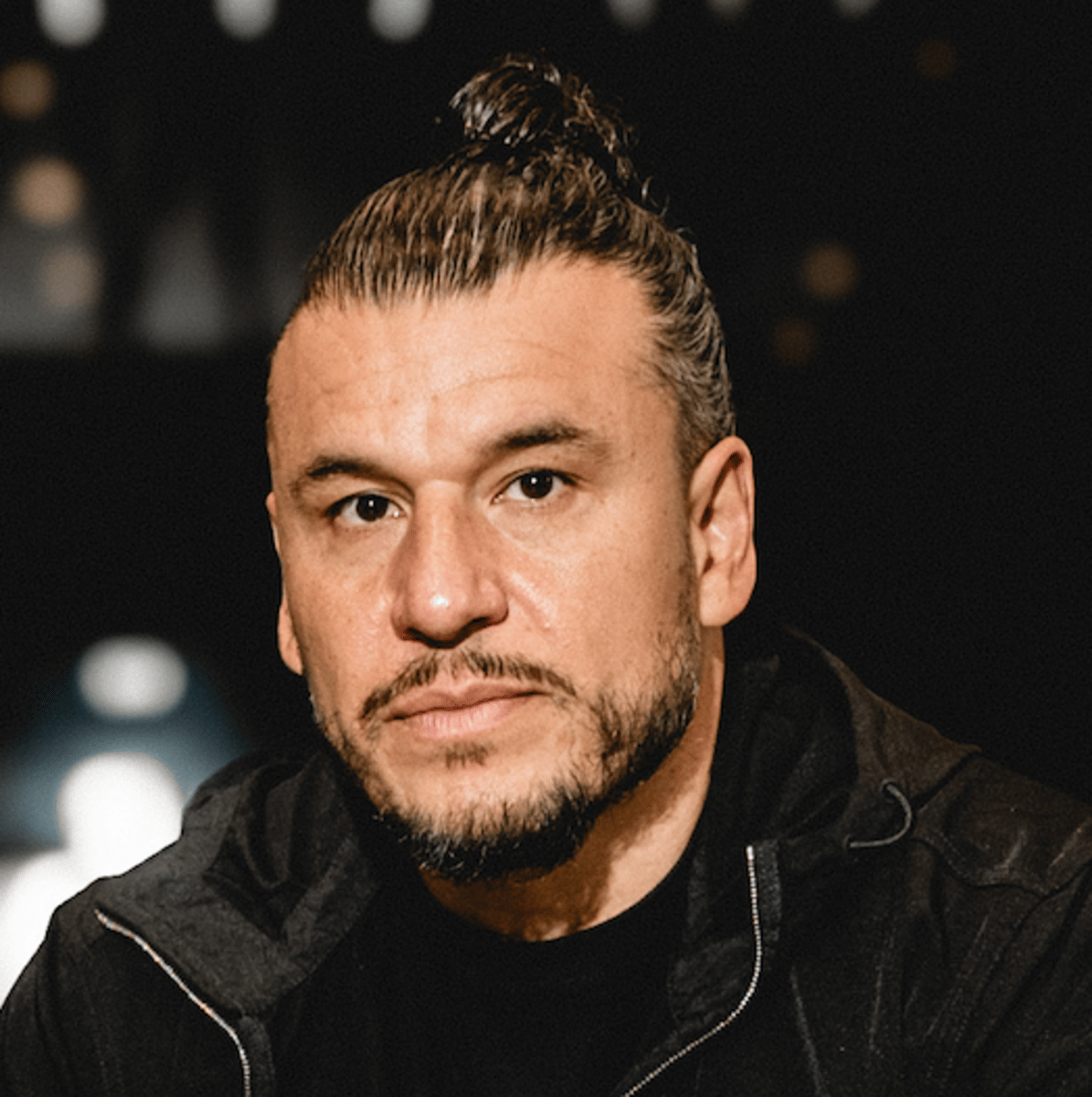

Welcome to The Manager’s Playbook, my personal newsletter where I share insights from Music Executives and Artists for aspiring and emerging music managers, executives and artists on how to navigate the music industry. This newsletter is brought to you by Mauricio Ruiz.
THE MANAGER’S PLAYBOOK PODCAST
(FEAT. Muyiwa Awoniyi)

BRING VALUE FIRST
A lot of people ask how to break into the music business.
Artists. Managers. Executives. Creatives. Whatever side you’re trying to get in on, the answer is usually the same.
Bring value first.
Not after someone gives you a shot.
Before that.
People want the meeting before they’ve shown they can be helpful. They want the intro before anyone has a reason to trust them. They want access, but they haven’t really thought through what they would do with it if they got it.
I get why.
From the outside, this business can look impossible to break into. You see the rooms. You see the relationships. You see artists, managers, executives, producers, lawyers, publicists, agents, and creatives all moving around each other, and it feels like everybody got the code except you.
So people think the answer is networking.
Then they make networking weird.
Collecting emails. Shaking hands. Sending follow-ups with nothing in them. Asking for favours from people who barely know them.
That’s not really networking.
Not the kind that matters.
The best networking usually starts with being useful.
Can you solve something?
Can you make someone’s life easier?
Can you help move something forward?

Because if all you’re doing is asking, you’re not building a relationship.
You’re just another person in the inbox.
And there are a lot of people in the inbox.

Quick business check:
If you’ve got music out, you’re probably leaving publishing money on the table.
Publishing royalties can come from streams, performances, and online usage, but collecting worldwide is a maze of registrations and middlemen.
That’s why KOSIGN exists. Built by Kobalt, KOSIGN lets you submit once and they handle global registrations to help you collect every cent you’re owed, plus direct DSP licensing (Spotify/Apple) where possible. No long lock-in either: rolling quarterly term.
It’s selective, but the application is 100% free. Apply now.
KEY TAKEAWAYS
THE WAY IN
When I was starting Mad Ruk, I wasn’t walking into rooms asking people what they could do for me.
I had a camera.
Artists needed visuals.
That was the opening.
So I learned how to make things look good without artists having to spend a crazy amount of money. I saw a gap and tried to be useful there.
That was the exchange.
That was my way in.
I didn’t have everything figured out. Not even close. But I had something people needed, and that mattered more than having some perfect pitch.
I thought about that during my conversation with Muyiwa Awoniyi, Tems’ manager and close partner.
Because yes, the headline is obvious.
He manages Tems.
One of the most important global artists of this generation.
But that’s not the whole story. It’s not even the part I found most interesting.
What stayed with me was how their relationship started, and how careful he’s been about protecting it.
From the way Muyiwa talks about it, he didn’t come into Tems’ life looking at her talent like a ticket into the global music business. It started with friendship. Trust. Getting to know the person before getting into the music.
That matters.
His approach to management seems to start with a question a lot of people skip:
Is the person okay?
Mentally. Spiritually. Physically. Creatively.
Before the rollout. Before the sessions. Before the deal. Before the strategy.
Is the person good?
It sounds obvious, but a lot of people stop moving that way once pressure shows up.
Everybody says they care about the artist. Not everybody builds like it.
That’s the lesson.
It’s not about what the business can do for you.
It’s about what value you bring to the table.

L-R: Tems and Muyiwa Awoniyi (aka Donawon)
Value starts with understanding the person
Before you can really help an artist, you have to understand who they are.
Not just the genre or the market.
The person.
What do they care about? What needs to be protected? What kind of success would actually feel good to them? What kind of success would look great from the outside but feel wrong in real life?
That last one matters.
A lot of careers get bent out of shape because everyone around the artist is chasing growth without asking what kind of growth makes sense.
More shows. More press. More songs. More content. More rooms.
Sometimes that’s the right move.
Sometimes it’s just noise and a budget.
Muyiwa’s approach with Tems feels different because it starts with alignment. He’s not trying to force her into every opportunity just because it looks impressive on paper.
He’s protecting the person and the vision.
That’s the work.
Not just getting the artist into rooms. Knowing which rooms are worth entering. And knowing which ones might cost too much. Creatively. Spiritually. Strategically.
That’s management.

Being close to the business is not the same as being valuable
A lot of people confuse proximity with value.
Being backstage doesn’t mean you understand touring.
Being at the dinner doesn’t mean you understand deal structure.
Being friends with artists doesn’t mean you know how to manage one.
And being in the group chat definitely doesn’t mean you’re building anything.
I say that with love.
Because I’ve seen a lot of people chase access when they should be building skills.
So the real question is simple:
What do you actually do?
Can you edit? Can you write? Can you sell? Can you organize chaos without adding more chaos? Can you shoot? Can you build a deck that makes sense? Can you run ads and understand why they worked or didn’t?
Can you manage communication?
Can you keep things moving when everyone else is emotional?
That last one is underrated.
In Muyiwa’s case, the value seems to be a mix of protection, strategy, taste, patience, and long-term thinking.
He’s not just helping manage releases.
He’s helping build an ecosystem around Tems.
Music. Business. Ownership. Infrastructure. Partnerships. Global positioning.
That’s not, “I know the artist.”
That’s, “I can help carry the vision.”
Very different things.

The Main Tems Team: Tems, Muyiwa & Wale Davies
The vision has to lead
One of the strongest parts of the episode is the way Muyiwa talks about alignment.
Everybody has to see the bigger picture.
That’s what lets a team move properly. Once the artist, managers, and partners are aligned, every disagreement doesn’t have to become a personal battle.
The vision can lead.
Not ego or fear. Not whoever talks the most in the meeting.
The vision.
When that’s clear, decisions get cleaner. Not always easier, but cleaner.
Should we take this deal?
Does it serve the vision?
Should we do this feature?
Is it actually moving us forward, or are we just reacting because it looks good?
Should we chase this market?
Are we expanding with intention, or just saying yes because the opportunity is there?
This is where a lot of people get lost.
They confuse movement with momentum. Movement is doing everything. Momentum is doing the right things in the right order.
What Muyiwa and Tems have built feels intentional. Not rushed. Not random. Not built from panic or industry approval.
Patient.
Strategic.
Rooted.
That kind of career doesn’t happen when everyone is trying to make the vision serve them.
It happens when the right people are serving the vision.

Value eventually becomes leverage
When you bring real value for long enough, you start building leverage.
That’s true for artists. Managers. Executives. Creatives. Anyone trying to last.
Leverage is not something you just ask for.
You earn it by being useful.
By following through.
By solving problems without needing applause every time.
By being trustworthy when things are calm, and especially when they’re not.
That’s why “bring value first” is not just motivational advice.
It’s business.
The person who brings value gets called back.
They get invited into deeper conversations.
They earn trust before asking for credit, equity, budget, access, or opportunity.
That’s how you go from being around the business to actually being part of it.
And that’s what stands out about Muyiwa’s story with Tems.
He wasn’t trying to use the artist to get into the industry.
He was building with the artist.
That distinction matters more than people think.

Muyiwa Awoniyi
One Final Thought
Before you ask what someone can do for you, ask what you can take off their plate.
Before you ask for the meeting, ask if you’ve done enough work to make that meeting useful.
Before you ask for the opportunity, ask if you have the skillset to handle it properly.
And before you ask people to trust you, be honest about whether you’ve actually been trustworthy.
This business is relationships. No question. But the best relationships usually start with contribution.
Not extraction. Contribution.
That’s the play.
Bring value first. The opportunity usually follows.
WRAPPING UP..
If you found today's read enjoyable, please consider sharing it with a friend. Crafting these newsletters consumes hours each week, so your support in sharing with peers means a lot.
And if you have any thoughts to share, feel free to hit reply. I'd love to hear your feedback.
Bio
I’m Mauricio Ruiz, the host and creator of The Manager’s Playbook podcast, dedicated to demystifying the world of music management, and Founder/CEO of 8 Til Faint, an Artist Management company with over 5 billion audio streams worldwide. Our past and current clients include Grammy nominated, Juno Award winning multi-instrumentalist and singer/songwriter Jessie Reyez, Skratch Bastid and more.
I am also the Co-Founder of Mad Ruk Entertainment, a content agency with over 3 billion long form video streams worldwide. Our client list includes The Weeknd, Eminem, and Celine Dion, along with renowned brands like Nike, Pernod Ricard and the NBA.
Follow me on IG @mauroisruiz
Follow me on LinkedIn
Follow the pod on Youtube
