
Welcome to The Manager’s Playbook, my personal newsletter where I share insights from Music Executives and Artists for aspiring and emerging music managers, executives and artists on how to navigate the music industry. This newsletter is brought to you by Mauricio Ruiz.
THE MANAGER’S PLAYBOOK PODCAST
(FEAT. JMSN)

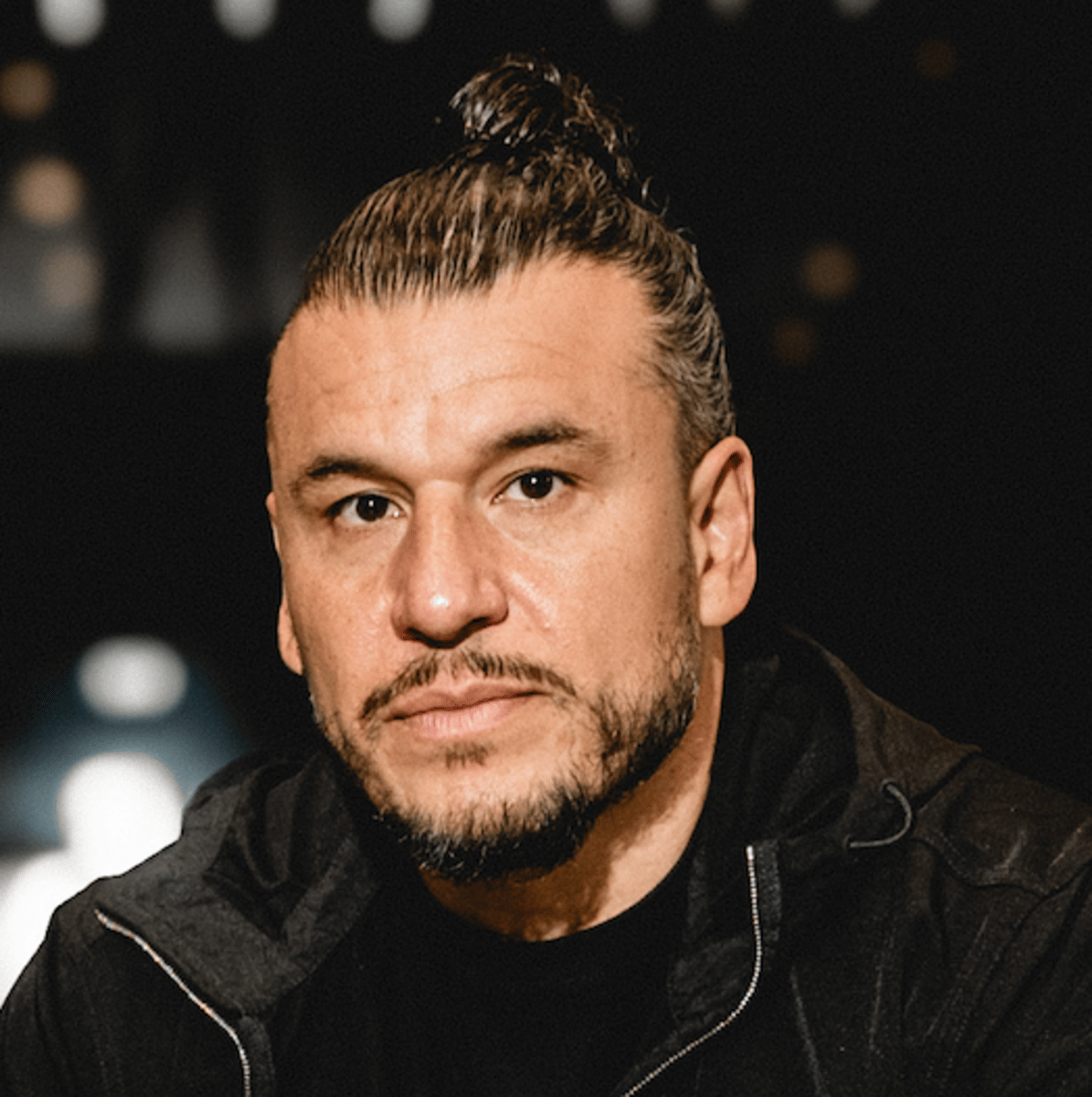
The other day I was listening back to the JMSN episode and I caught myself laughing.
Not because it was funny-funny, but because it was painfully accurate.
He goes on this rant about advertising that basically sounds like every artist’s internal monologue once they’ve had to “play the game” for longer than a week.
The billboards. The constant noise. The endless “BUY/STREAM/PRE-SAVE/OUT NOW” yelling at your face while you’re just trying to drive down the street and remain a human being.
And JMSN’s energy is simple: can we chill?
That’s the part I want to talk about. Not the rant itself but the truth underneath it.

Because when an artist like JMSN (successful, viral, multi-instrumentalist, producer, the whole thing) says out loud, “I can’t… I don’t like this,” he’s not being a hater.
He’s describing what a lot of DIY and independent artists feel but can’t articulate:
The current version of music marketing is starting to look like a casino. Bright lights, dopamine, endless prompts, and a whole lot of people trying to sell you a “system” that conveniently requires you to lose your mind first.

Quick business check:
If you’ve got music out, you’re probably leaving publishing money on the table.
Publishing royalties can come from streams, performances, and online usage, but collecting worldwide is a maze of registrations and middlemen.
That’s why KOSIGN exists. Built by Kobalt, KOSIGN lets you submit once and they handle global registrations to help you collect every cent you’re owed, plus direct DSP licensing (Spotify/Apple) where possible. No long lock-in either: rolling quarterly term.
It’s selective, but the application is 100% free. Apply now
KEY TAKEAWAYS
Here’s the irony:
Most artists aren’t struggling because they don’t want to work. They’re struggling because they’ve been taught to confuse motion with progress.
Posting every day isn’t a strategy. Spending money on ads isn’t a plan. Hiring random freelancers isn’t a team. And “we’ll figure it out as we go” is not a system.
It’s a prayer.
DIY, when it’s done right, isn’t anti-industry. It’s anti-chaos.
It’s the decision to build leverage before you go shopping for partners. It’s choosing ownership, process, and repeatability over vibes. It’s realizing you don’t need a machine; you need a workflow that doesn’t collapse the moment the algorithm gets moody.
And I know what you’re thinking: “Cool, Mauricio. But I’m broke, I’m behind, and I can barely keep up with content as it is.”
Exactly.
DIY is not “do everything forever.” DIY is “do the right things long enough to afford help.”
There’s a difference.
Most artists treat content like advertising. That’s why it feels gross. It feels like you’re constantly asking for something.
Stream this. Watch that. Click this link. Like please.
Begging with better lighting.
But content doesn’t have to be an ad. Content can be documentation.
A studio moment. A decision. A lesson. A tour win. A tour loss. A line you rewrote ten times. A beat you hated yesterday and love today. A manager’s note you didn’t want to hear but needed.
If you document the real journey, you stop sounding like a billboard. You start sounding like a person with a mission. And people still follow people.
Always have.
That’s why JMSN’s frustration hits. He’s not allergic to business. He’s allergic to business that strips the humanity out of the art. He’s allergic to the idea that everything must be “optimized,” as if your life is just a funnel and your music is just a product page.

Now, let’s talk money, because DIY without money is just stress with a logo.
One of the most honest parts of the episode is the reality that being independent often means you’re the label.
Which means release time doesn’t just feel exciting, it feels like you’re walking into a storm with your own budget in your hands.
The anxiety isn’t irrational. It’s operational. It’s you realizing that if the rollout is messy, there’s no safety net.
So the goal isn’t to “hustle harder.” The goal is to build a cycle that funds itself.
The most underrated DIY artist strategy isn’t a growth hack. It’s a loop: make something great, extract value from it properly, then reinvest with intention.
Touring. Merch. Direct-to-fan. Smart drops. Content that drives back to the world you own, not just the platform you rent.
And the reinvestment part is where most artists get emotional.
They’ll spend three months “getting ready” and then panic when it’s time to spend money on the boring things: assets, visuals, merch inventory, a photographer, a proper mix, a proper master, a vinyl lead time, a website, a clean EPK, a content bank.
They want the outcome of a system without paying the cost of a system.

JMSN in action
Here’s the uncomfortable truth for managers and aspiring execs reading this:
Your job isn’t to yell “consistency.” Your job is to remove friction.
If your artist can’t keep up with content, they don’t need motivation. They need a repeatable process. They need a calendar that doesn’t insult their bandwidth. They need a batch day. They need a simple rule like, “We shoot once, we publish for three weeks.” They need templates. They need a Dropbox folder that isn’t named “final_FINAL_v7.” They need an operating system that protects their creativity instead of draining it.
And if the artist is truly solo right now, DIY doesn’t mean “I do everything.” It means “I prioritize the few moves that compound.”
Compounding moves look like this:
Owning masters, building a clean release workflow, capturing content while you’re already doing the thing, turning one moment into ten assets, building a small team that actually gives a damn, and investing in the pieces that create momentum instead of chasing vanity metrics.
Because streams are nice, but streams without fans are just numbers passing through.
You can get a million plays and still feel broke and invisible if nobody knows where to find you next.

That’s why this conversation with JMSN matters.
He’s basically saying: stop letting the noise trick you into thinking you’re building. Build something real. Build something you can repeat. Build something you can control.
And if you’re a manager reading this, I’ll say it even louder: your value is not “connections.” Your value is structure.
Connections are cute.
Structure is what keeps an artist alive when the internet gets bored.
So here’s the DIY artist challenge I’m leaving you with, straight up:
This week, stop asking “what should I post?” and start asking “what am I building?”
What’s the system behind the content? What’s the engine behind the release? What’s the plan behind the money? What’s the team behind the vision?
Because if your strategy requires you to scream louder than the billboards, you already lost.
You don’t need to win the noise war. You need to build a machine that doesn’t require you to become one.
1:1 CONSULTATIONS WITH RUIZ

Mauricio Ruiz
I’m offering private 1-on-1 sessions for artists, managers, and execs who want real, practical advice on how to move their careers forward.
With 16 years in the music business and experience working with some of the biggest artists and executives in the world, I can share insights, strategy and ways to execute the pain points in your career as it currently stands.
Book your private consultation below.
WRAPPING UP..
If you found today's read enjoyable, please consider sharing it with a friend. Crafting these newsletters consumes hours each week, so your support in sharing with peers means a lot.
And if you have any thoughts to share, feel free to hit reply. I'd love to hear your feedback.
Bio
I’m Mauricio Ruiz, the host and creator of The Manager’s Playbook podcast, dedicated to demystifying the world of music management, and Founder/CEO of 8 Til Faint, an Artist Management company with over 5 billion audio streams worldwide. Our past and current clients include Grammy nominated, Juno Award winning multi-instrumentalist and singer/songwriter Jessie Reyez, Skratch Bastid and more.
I am also the Co-Founder of Mad Ruk Entertainment, a content agency with over 3 billion long form video streams worldwide. Our client list includes The Weeknd, Eminem, and Celine Dion, along with renowned brands like Nike, Pernod Ricard and the NBA.
Follow me on IG @mauroisruiz
Follow me on LinkedIn
Follow the pod on Youtube
