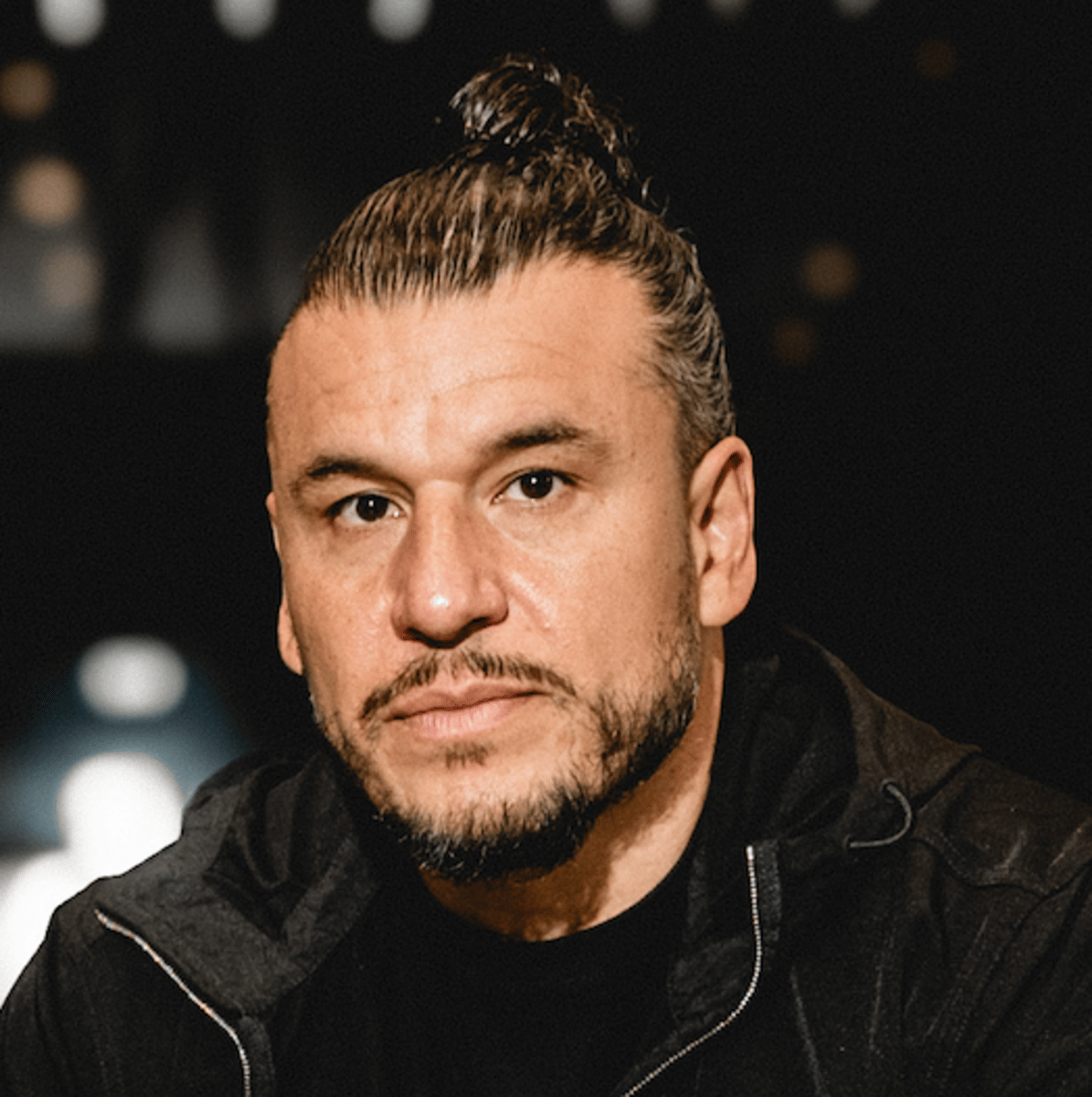

Welcome to The Manager’s Playbook, my personal newsletter where I share insights from Music Executives and Artists for aspiring and emerging music managers, executives and artists on how to navigate the music industry. This newsletter is brought to you by Mauricio Ruiz.
THE MANAGER’S PLAYBOOK PODCAST
(FEAT. Paris Cole)

The thing about artist development is that it’s rarely sexy in real time.
It’s not a viral clip.
It’s not a label deal.
It’s not a “we just hit 10 million streams” screenshot with the little fire emoji.
Artist development is the unglamorous, uncaptionable work that lives in the margins: the hours between sessions, the conversations nobody sees, the tiny decisions that stack into identity. It’s the slow grind of becoming undeniable.
Paris Cole knows that better than most.
Paris is an artist manager, creative director, and stylist who’s helped shape the worlds around artists like Ari Lennox and Lucky Daye. And when you sit with her long enough, you realize she’s not talking about “image” the way most people talk about image. She’s talking about truth. She’s talking about alignment. She’s talking about the kind of brand that doesn’t feel like marketing. Because it’s just the artist being themselves, on purpose.

One line from our conversation kept ringing in my head after we wrapped:
You can’t try too hard in swag. You can’t try too hard in fashion either. Real people are gonna see through it.
That’s a bar. And it’s also a warning.
KEY TAKEAWAYS
Right now, a lot of artists are sprinting toward the finish line with no shoes on.
They want the look before they have the life. They want the aesthetic before they’ve earned the era. They want to feel “major” before they’ve built anything that can actually sustain major. And I get it, pressure is real. The internet makes it seem like everyone else woke up with a fanbase, a tour bus, and an A&R in their DMs.
But let me say this with love: the audience can smell performance from a mile away. Not performance as in “stage performance.” Performance as in “I’m pretending this is me.”
That’s where the whole thing breaks.
Paris kept bringing it back to the build. The in-between. The awkward middle where you’re not quite there yet, but you’re getting closer. That’s the season most artists hate because it doesn’t come with applause. But it’s also the season where the real ones are made.
She told a story about Ari Lennox early on. How it wasn’t about forcing her into some pre-packaged industry look. It was about leaning into who she already was: the curls, the naturalness, the essence. Not “make her something else.” Make her more herself, inch by inch. Because development isn’t a costume change. It’s a becoming.
And here’s what a lot of people miss: the fans want to grow with you. They don’t want to meet the final version of you on day one. They want receipts. They want a journey. They want to feel like they were there when the foundation was being poured.
That’s why, when people ask me how to build a real fanbase, I’m rarely thinking about hacks. I’m thinking about touch points.
Not “how do we get exposure?” but “how do we create connection?”

Paris Cole styling Ari Lennox
Paris said something that stuck with me:
You can see an artist everywhere, but still not know them.
That’s the exposure trap. And it’s the reason why we have a lot of “here today, gone tomorrow” careers floating around right now.
The algorithm will introduce you, but it won’t introduce you. It won’t explain who you are, what you stand for, where you come from, what your story sounds like, what your world feels like.
That part is on you. And your team.
Which brings me to the other uncomfortable truth: a lot of emerging artists don’t have a team. Or they have a “team” that’s really just a group chat and vibes. Again, no shade. We’ve all been there. But if the only strategy is “drop the song and hope,” you don’t have a strategy. You have a wish.
Paris broke down what happens when an artist says, “I just want to focus on the music.” Her response wasn’t annoyed, it was grounded. She’s like, cool… then we have to build everything around the music. What does the first record look like? What’s the artwork? Is there BTS content? Are we shooting a video? Are we doing a live pop-up? Are you speaking to fans on camera, like a human being? What’s the story? What’s the plan after the plan?
And that’s where systems matter. Because when you don’t have systems, everything feels like stress. Content becomes this overwhelming beast. Releases become chaos. You’re always behind. You’re always catching up. You’re always reacting.
But when you have systems, you stop living release-to-release and you start living narrative-to-narrative. You’re not just dropping songs, you’re building chapters.
Paris also said something else that I think a lot of artists and managers need to hear twice:
You can’t just throw money at a look and call it development.
Sometimes the “high budget” version feels cheaper, because it feels forced. And on the flip side, some of the most powerful development work comes from being resourceful. Thrifting, tailoring, creative problem-solving, and making intentional choices that match the artist’s current reality. Less is more isn’t just a creative philosophy. It’s also a business strategy when you’re building from scratch.

Now let’s talk about the part nobody wants to do: Playing the shows.
Because the truth is, you don’t build fans in theory. You build fans in practice.
Paris talked about selling 250 tickets independently. Not in a fantasy world, in real life. With no magic button. And she said the quiet part out loud: now you have to do it again.
And again.
And again.
You do it 30 times, and suddenly you’re not “an emerging artist,” you’re a business. You do it across cities and you’re building leverage that doesn’t disappear when the playlist changes.
This is where I’m going to be a little spicy for a second: streams are cool, but streams don’t always show up. Streams don’t always buy merch. Streams don’t always bring friends. Streams don’t always turn into a tour that pays everybody on the bus.
Fans do.
Fans are the ones who keep you alive when the industry gets distracted. Fans are the ones who buy tickets when nobody’s returning your emails. Fans are the ones who build your career while everyone else is debating whether you’re “ready.”
And that’s why reps matter.
Reps are open mics. Reps are uncomfortable rooms. Reps are singing in front of 15 people who don’t know you and still performing like it’s Madison Square Garden. Reps are pop-ups. Reps are college shows. Reps are the things you do before you can afford to do the things you want to do.

The internet makes it look like success is the first step. It’s not. Success is the outcome of consistency, clarity, and connection, repeated until it compounds.
Paris’ whole story, and the way she talks about development, is really a reminder that there’s no shortcut that doesn’t cost you something. You can buy looks, but you can’t buy identity. You can chase exposure, but you can’t fake alignment. You can force an aesthetic, but you can’t force a relationship with the people.
So here’s the question I want you to sit with if you’re building a new artist right now, whether you’re the artist, the manager, or the aspiring exec trying to get in the game:
Are you building something people can believe… or just something people can see?
Because in this era, visibility is easy. Belief is rare. And belief is what lasts.
If you want the full conversation with Paris Cole, it’s one of those episodes that hits you in the chest a few times, especially if you’re in the “in-between” season.
You’re not behind. You’re building. Just make sure you’re building the right thing.
1:1 CONSULTATIONS WITH RUIZ

Mauricio Ruiz
I’m offering private 1-on-1 sessions for artists, managers, and execs who want real, practical advice on how to move their careers forward.
With 16 years in the music business and experience working with some of the biggest artists and executives in the world, I can share insights, strategy and ways to execute the pain points in your career as it currently stands.
Book your private consultation below.
WRAPPING UP..
If you found today's read enjoyable, please consider sharing it with a friend. Crafting these newsletters consumes hours each week, so your support in sharing with peers means a lot.
And if you have any thoughts to share, feel free to hit reply. I'd love to hear your feedback.
Bio
I’m Mauricio Ruiz, the host and creator of The Manager’s Playbook podcast, dedicated to demystifying the world of music management, and Founder/CEO of 8 Til Faint, an Artist Management company with over 5 billion audio streams worldwide. Our past and current clients include Grammy nominated, Juno Award winning multi-instrumentalist and singer/songwriter Jessie Reyez, Skratch Bastid and more.
I am also the Co-Founder of Mad Ruk Entertainment, a content agency with over 3 billion long form video streams worldwide. Our client list includes The Weeknd, Eminem, and Celine Dion, along with renowned brands like Nike, Pernod Ricard and the NBA.
Follow me on IG @mauroisruiz
Follow me on LinkedIn
Follow the pod on Youtube
